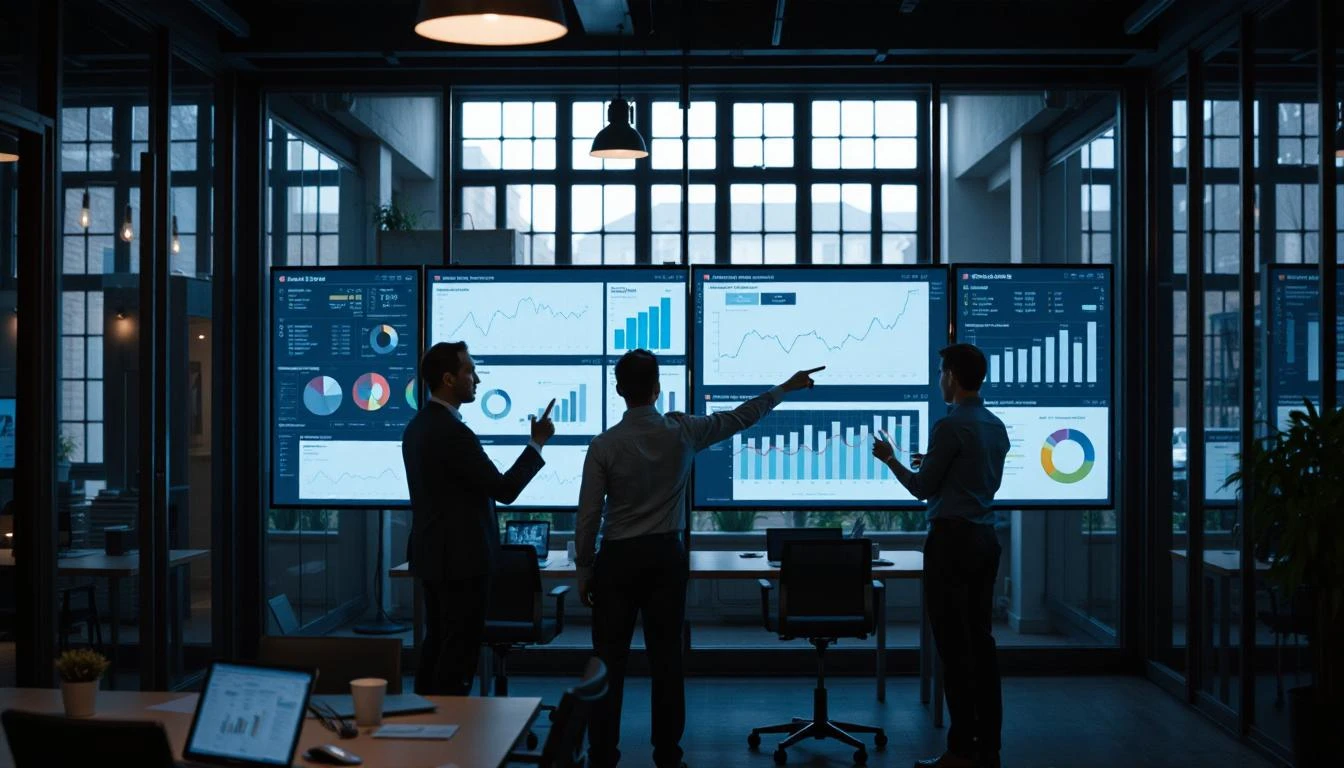
AI Driven Marketing Automation Tools Rise
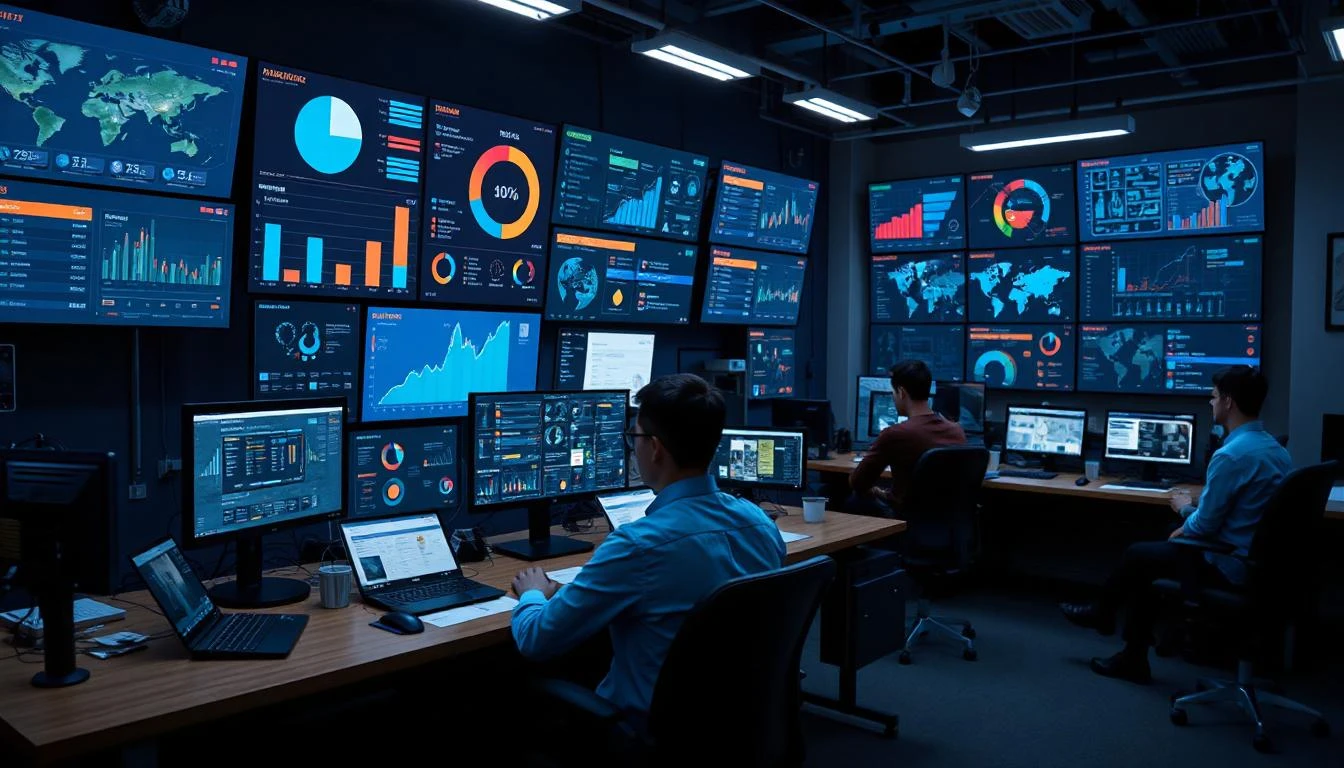
The digital landscape is shifting at a speed that almost feels ungraspable. Every interaction online is being tracked, interpreted, and refined into actionable insights by systems that never sleep. Marketing is no longer about guessing what audiences want, but understanding it before they even express it. In this environment, automation and intelligence are not optional additions anymore, they are the core engine behind modern growth strategies.
Everything you once knew about digital campaigns is being rewritten by machines that learn faster than any human team could manage. Strategies are no longer built on instinct alone but on continuous feedback loops powered by data, behavior patterns, and predictive models. This shift is quietly redefining how businesses compete, scale, and survive in the attention economy. In the middle of this transformation, ai marketing automation growth becomes the central force driving how brands adapt to digital complexity.
The Rise of AI Driven Marketing Automation
Marketing has entered a phase where automation is not just support, but the main driver of execution. Systems are evolving from simple task schedulers into intelligent ecosystems capable of learning from every customer interaction. The rise of AI marketing automation growth is closely tied to the expansion of driven tools marketing system scaling, where businesses shift from manual campaign control to intelligent orchestration. These systems allow marketers to operate at scale without losing precision or personalization, creating a new standard for digital performance.
Evolution from manual to automated marketing systems
Marketing used to rely heavily on human intuition, spreadsheets, and segmented workflows. Now, automation platforms have replaced repetitive tasks with dynamic systems that adjust themselves based on user behavior. Tools like CRM automation, email sequencing, and ad bidding optimization have evolved into intelligent systems that learn continuously.
Role of AI in campaign optimization
Artificial intelligence now acts as the brain behind campaign performance. It analyzes engagement signals, identifies patterns, and adjusts targeting strategies in real time. Techniques such as machine learning marketing analytics, customer segmentation AI, and conversion rate optimization are now embedded into modern marketing workflows. As Philip Kotler once said, “Marketing is no longer about the stuff you make, but about the stories you tell through data.” In today’s context, that story is written by algorithms interpreting user intent at scale.
Real time marketing decision engines
Real-time decision engines are transforming how campaigns respond to users. Instead of waiting for post-campaign analysis, systems now adjust messaging instantly based on live interactions. This creates a responsive marketing environment where every click influences the next action. A modern marketer now works alongside systems that behave almost like predictive assistants, constantly refining outcomes without manual intervention.
Benefits of Marketing Automation with AI
Before diving deeper, it is important to understand why businesses are rapidly shifting toward intelligent automation. The combination of data, speed, and precision creates a competitive advantage that traditional marketing methods struggle to match. Supporting frameworks like driven tools marketing system scaling allow businesses to expand operations without increasing complexity at the same rate.
Higher conversion through personalized targeting
Personalization has become the key driver of conversion. AI systems analyze user behavior and deliver tailored content that aligns with individual intent. Long-tail strategies such as how AI marketing automation improves conversion rates for e-commerce businesses are now central to growth strategies.
Efficiency in multi channel campaign management
Managing campaigns across multiple platforms used to require large teams and constant coordination. Now, automation systems unify email, social media, paid ads, and web interactions into a single dashboard. This efficiency is powered by driven tools marketing system scaling, which eliminates fragmentation and ensures consistent messaging across channels. As Ann Handley once noted, “Good marketing makes the company look smart. Great marketing makes the customer feel understood.” Automation is what makes that scale possible.
Data driven customer journey tracking
Every customer interaction is now part of a continuous data stream. From first contact to final conversion, AI systems track behavior, analyze intent, and optimize touchpoints along the journey. Keywords like marketing funnel optimization, omnichannel marketing strategy, and predictive user behavior modeling define how modern tracking systems operate. This creates a feedback loop where every interaction improves the next one.
Future of Automated Digital Marketing Systems
The future of marketing is not just automated, it is predictive, adaptive, and deeply personalized. Businesses that understand this shift early will have a structural advantage over competitors still relying on traditional systems. At the core of this evolution lies AI marketing automation growth, which continues to expand its influence across every digital touchpoint.
Predictive analytics in marketing strategy
Predictive systems are becoming essential for modern decision-making. By analyzing historical and real-time data, AI can forecast customer behavior, demand shifts, and campaign performance outcomes. This allows marketers to move from reactive decisions to proactive strategy building.
AI personalization at scale
Personalization is no longer limited to small audience segments. AI now enables hyper-personalized experiences for millions of users simultaneously. Systems powered by customer segmentation AI and machine learning marketing analytics make this possible without manual segmentation. This level of scalability is redefining how brands connect with audiences.
Integration across marketing platforms
Future marketing ecosystems will no longer exist in isolated tools. Instead, everything will be connected through unified data layers and intelligent automation systems. The combination of driven tools marketing system scaling and AI integration ensures that every platform communicates seamlessly, creating a synchronized marketing environment.
Transform Your Business with AI Marketing Automation Growth
At this point, ignoring automation is no longer a strategic choice, it is a competitive risk. Businesses that embrace AI marketing automation growth are already experiencing faster scaling, improved targeting, and higher operational efficiency. The integration of driven tools marketing system scaling allows companies to operate smarter, not harder, in increasingly complex digital environments. As Satya Nadella once stated, “The future of business is not about digital transformation, it’s about continuous transformation.” That idea reflects exactly where marketing is heading today.